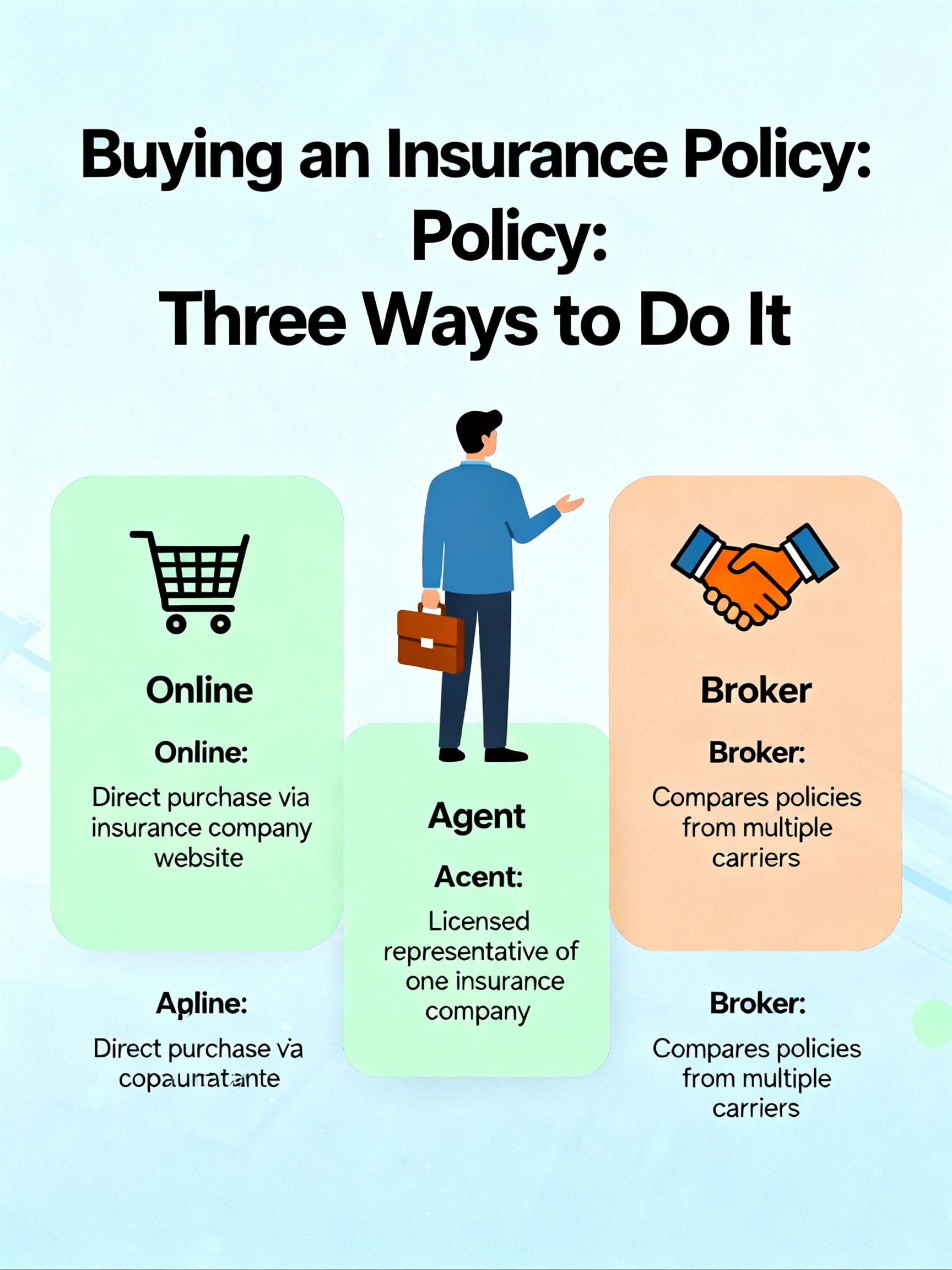
Buying insurance may seem straightforward—get a quote, pay the premium, and you’re covered. But as Insurance Hour host Karl Susman explains, how you buy insurance can matter just as much as what you buy. With more than 30 years of industry experience, Susman outlines three primary ways consumers purchase coverage: directly from the insurance company, through a captive agent, or through an independent broker. Each option comes with distinct advantages and trade-offs that affect pricing, service, and protection when a claim occurs.
This guide breaks down those options into a practical framework for navigating today’s increasingly complex insurance marketplace.
Buying Insurance Directly from the Company
Buying direct means purchasing coverage straight from the insurance carrier—typically online or through a call center. What once required paper applications and mailed checks is now available 24/7 through digital platforms.
The main advantage of buying direct is simplicity. There are no intermediaries, policies can often be bound instantly, and payments are handled entirely online. Some consumers also prefer dealing only with the insurer, believing it eliminates bias.
However, Susman cautions that the absence of an advocate can become a serious drawback during a claim or dispute. When issues arise, the policyholder must face the insurance company alone, interpreting complex policy language without assistance. He also dispels the myth that buying direct is cheaper, explaining that rates are filed with regulators and are typically the same whether purchased directly or through an agent or broker.
Buying direct offers speed and convenience—but little personal guidance or advocacy.
Working with a Captive Insurance Agent
A captive agent represents only one insurance company, or in some cases two. These agents are deeply familiar with their carrier’s underwriting rules, pricing structure, and claims process.
The primary benefit of working with a captive agent is product expertise. Because they focus on one company, they often provide consistent service across policy issuance, renewals, and claims. Clients who value brand loyalty and simplicity may find this approach appealing.
The limitation is choice. Captive agents can only offer the products of the company they represent. That means they must try to fit a consumer’s risk profile into a single underwriting box. In volatile markets—such as those affected by wildfire risk or coastal exposure—this can lead to denials or mismatched coverage, even when better options might exist elsewhere.
Captive agents work best for clients who neatly match their company’s appetite for risk and prefer a single-carrier relationship.
Working with an Independent Insurance Broker
Independent brokers operate differently. They are not tied to one insurance company and can shop multiple carriers to find appropriate coverage.
Brokers offer choice, customization, and representation. They can compare pricing and coverage across many insurers, tailor policies for complex risks, and legally represent the insured—not the insurance company. This makes them especially valuable during claims, non-renewals, and regulatory disputes.
The trade-offs include the possibility of broker fees, typically modest annual charges for service and management, and the fact that brokers do not always have binding authority. Coverage must often be formally approved by the insurer, which can introduce minor delays for complex risks.
For consumers who need flexibility, advocacy, or access to hard-to-place coverage, brokers often provide the most comprehensive support.
One Size Does Not Fit All
Susman is clear that there is no universally “best” way to buy insurance. Each method serves a different type of consumer.
Direct purchasing suits those who prioritize convenience and digital control. Captive agents fit those who value brand consistency and a single-carrier relationship. Brokers meet the needs of clients who want comparison, customization, and professional advocacy.
The critical factor is understanding what kind of buyer you are and what level of service you expect when something goes wrong.
Why Professional Expertise Still Matters
Most policyholders do not study insurance. They buy a policy, file it away, and hope it works when they need it. In today’s environment of tightening underwriting, climate-driven risks, and regulatory changes, that approach can be risky.
Online quote tools can compare prices, but they cannot interpret contract language, negotiate claims, or step in as an advocate during disputes. Whether through a captive agent or an independent broker, professional guidance remains one of the most important safeguards a consumer can have.
Final Thoughts on Choosing the Right Path
Karl Susman’s breakdown of insurance purchasing options highlights a simple truth: insurance is not just a product—it’s an ongoing relationship. The path you choose influences not only your premium, but also your protection, support, and peace of mind when you need it most.
Whether you go direct, captive, or independent, the smartest policy is the one you truly understand—and the one backed by expertise when it matters most.